
What Took Weeks, We Built in 24 Hours with AI
What Took Weeks, We Built in 24 Hours with AI
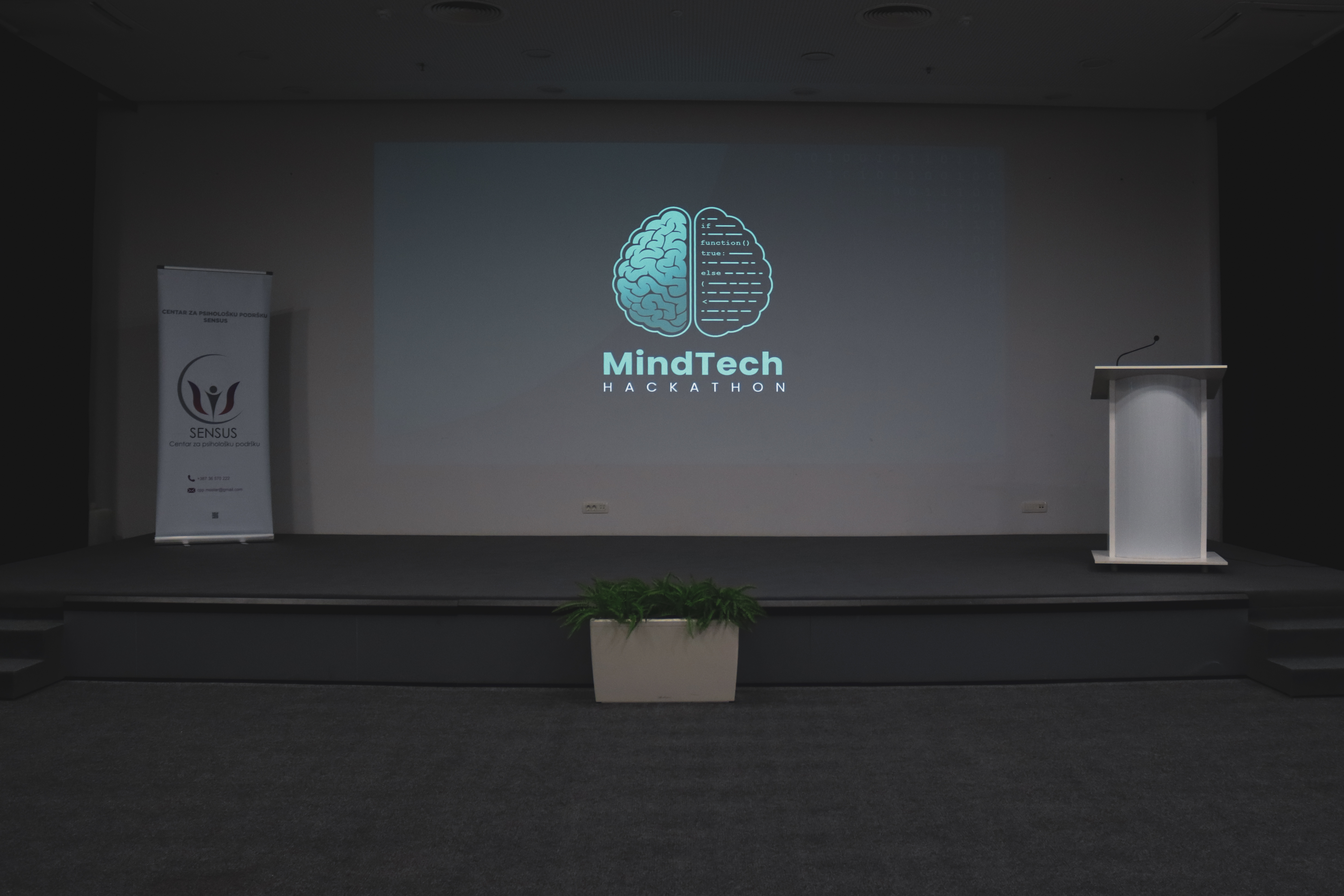
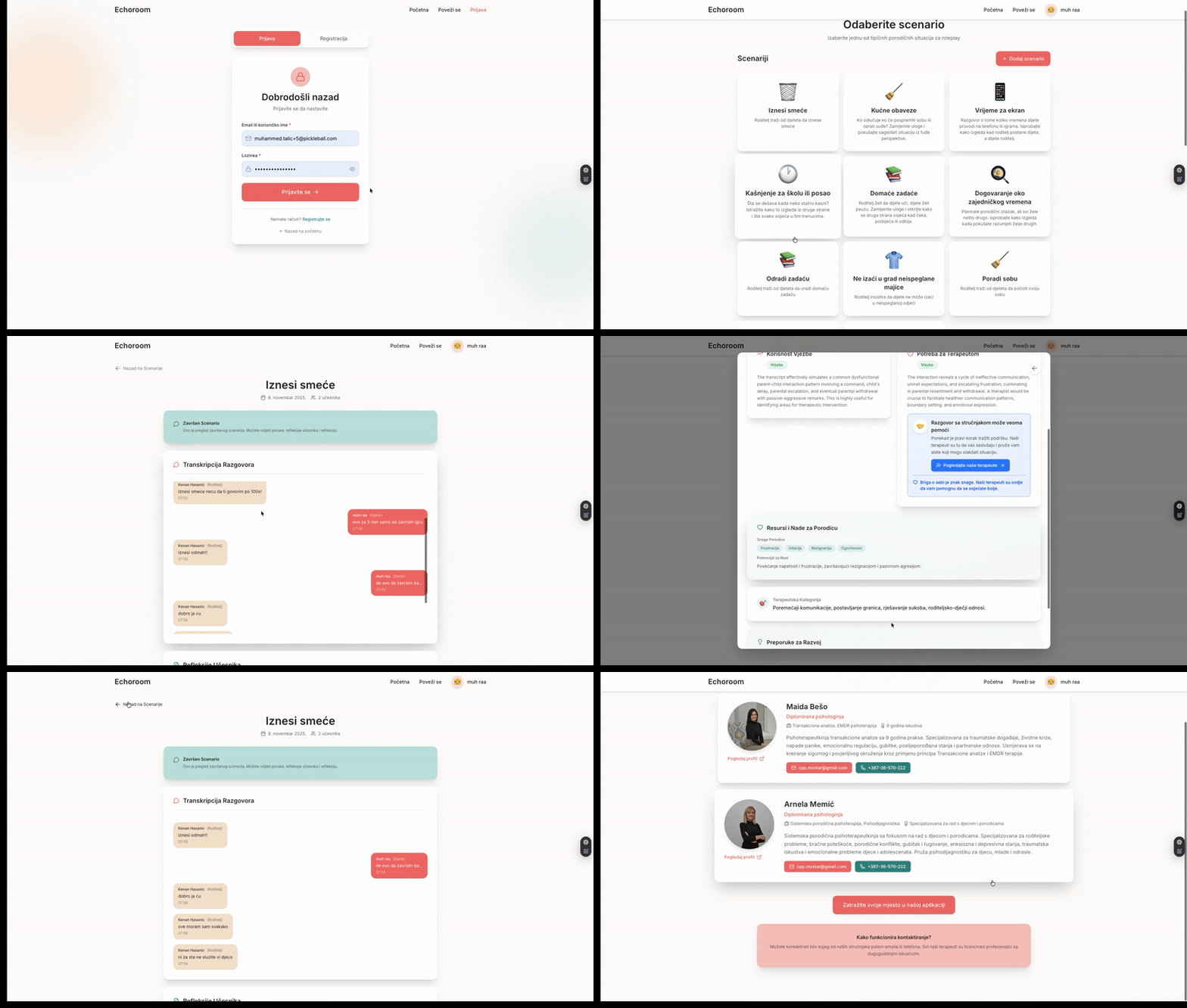
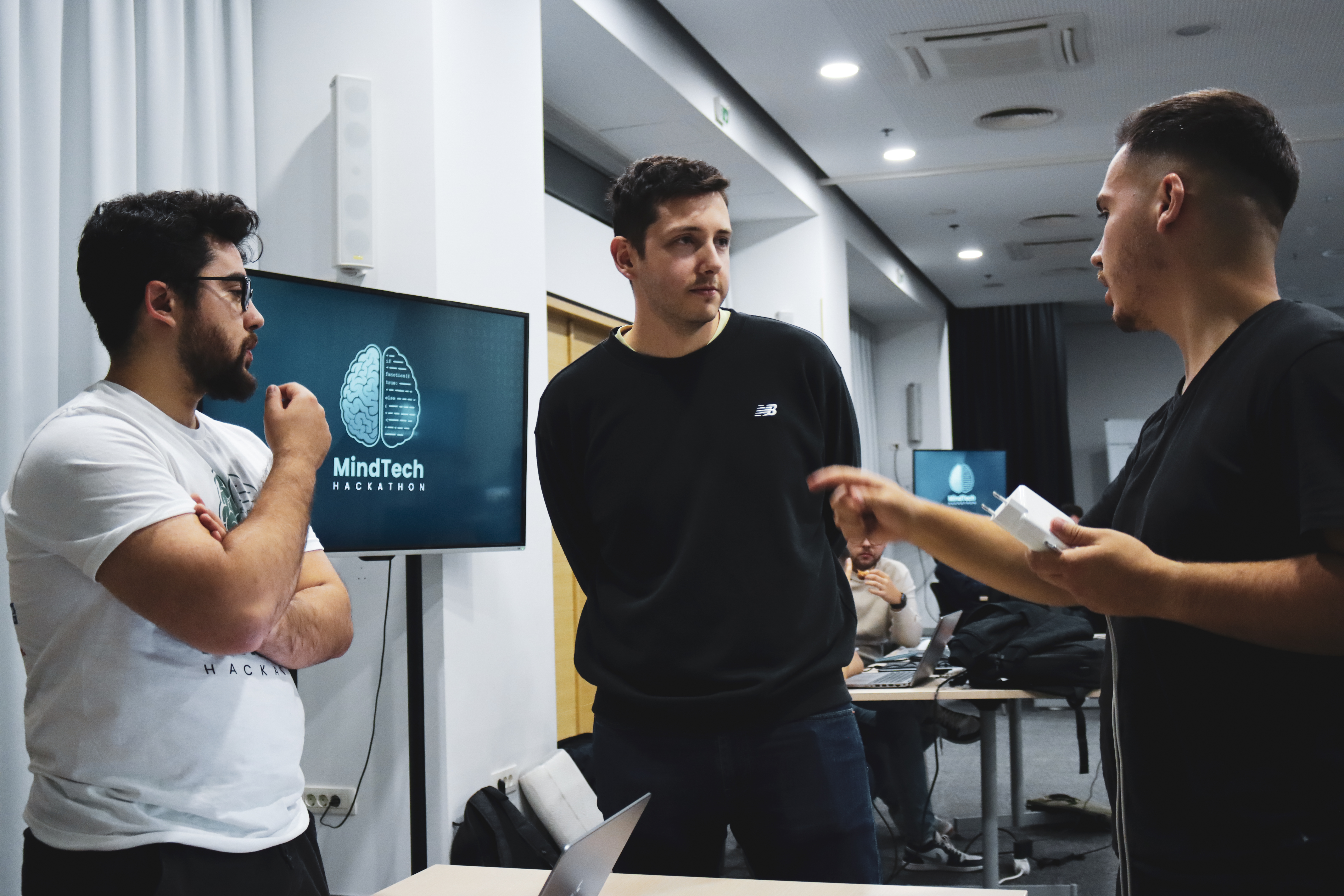
At my first MindTech Hackathon in Mostar, I worked on developing the EchoRoom application together with my colleague Kenan Hasanić and my sister Fatima Mrahorović, who joined us online as psychological support.
What is EchoRoom?
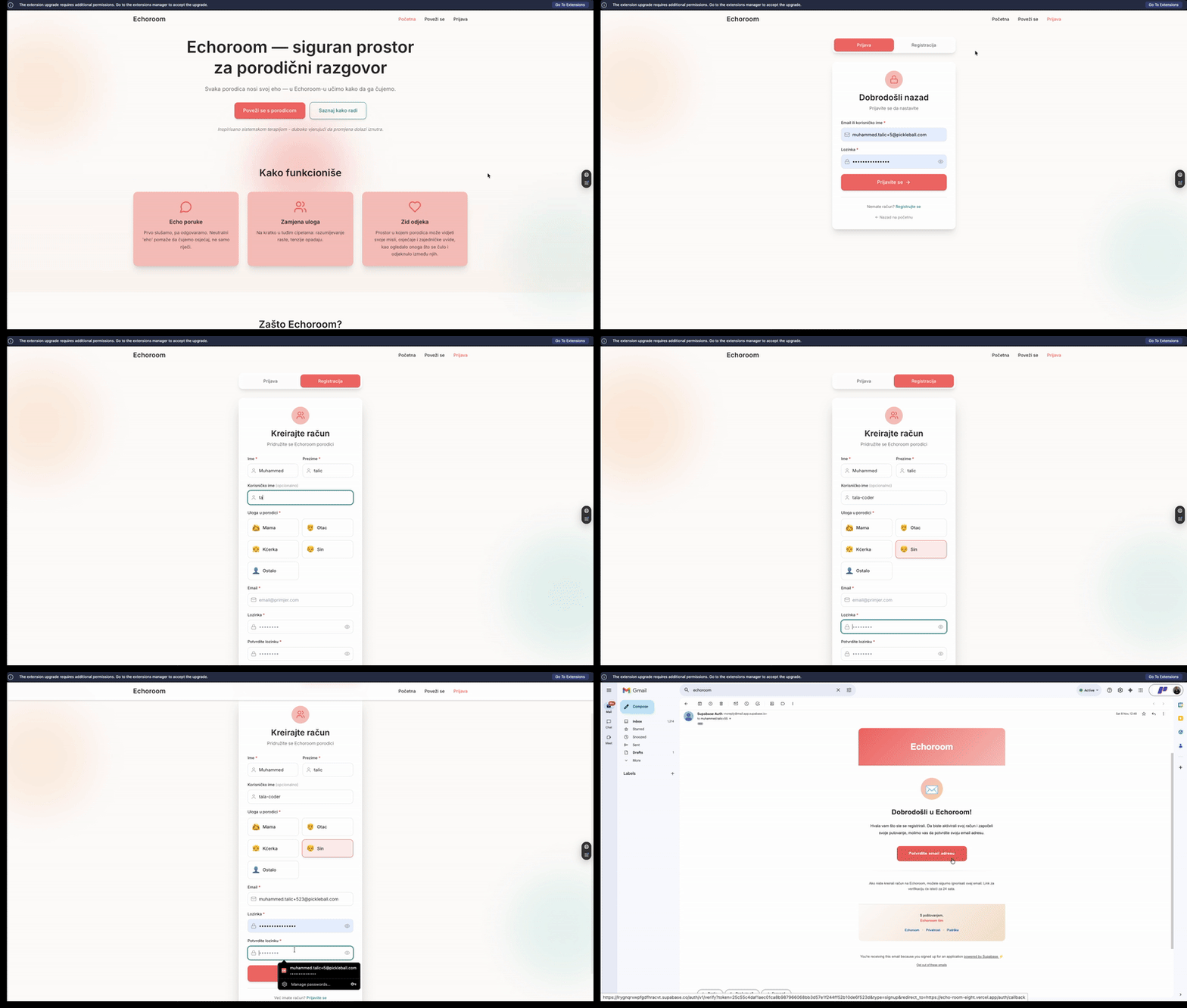
EchoRoom is a digital space that helps families truly hear each other, not just talk. This application is not psychotherapy, but it can be the first step towards it, inspired by the ethics and techniques of systemic family psychotherapy and uses:
- Role-playing – for a moment "standing in someone else's shoes"
- Externalization of problems – the problem is not the person, the problem is the problem
- Reflection and echo
- Structured conversations, circular questions
- Therapist Hub - quick and easy connection of clients with therapists
EchoRoom works on mental health by making change from within. It enters homes not as "therapy" but as a game, dialogue, shared space with structure.
The Tech Stack That Made It Possible
It's incredible that something like this can be functional in less than 24 hours.
What particularly stood out was the combination of the right tech stack that removed many obstacles at the start, then Supabase for quick database setup and authentication, Resend for emails, Vercel for deployment, and Gemini AI gave "intelligence" to the whole story. Cursor, which we additionally adapted to our project, was literally another team member, significantly speeding up application development, from generating boilerplate code, through refactoring, to faster bug catching and better error message explanations.
My Biggest Surprise: Supabase
The biggest positive surprise for me was Supabase. My first encounters with realtime functionality I had back in college through Socket.IO and the impressions weren't the best... connections break, errors pop up everywhere... Today, with Supabase Realtime, Auth and their serverless approach, we get all of that out-of-the-box, without additional infrastructure and hassle. With this approach, we maximally focused on making a fully functional app in 24h that is realistically useful and can be used even after the hackathon, which we ultimately succeeded in doing.
Lessons Learned
Since this was our first hackathon, it was expected that it wouldn't pass without lessons. Almost all focus went to the product, and too little to the presentation where many interesting features couldn't be adequately shown (plus, we were too small a team for everything we wanted to achieve). What we would do differently, we would definitely expand our team and from the start clearly divide roles: part of the team focused on development, and part exclusively on pitch and presentation of the solution.
All of this served us as a valuable experience. We thank the Center for Psychological Support Sensus for the opportunity to spend a weekend in Mostar combining psychology, technology and great networking into one story. Thanks to the technical mentors for their advice and psychology mentors for helping us bring the idea closer to the real needs of people and families.
What are your experiences with such competitions, and has AI already accelerated the way you work?